

(By Hella Ahmed) Some people tirelessly proclaim their big heart, as if demanding your admiration laced with submission. They seem to order you to embrace their kindness, to open up to their dazzling, almost invasive light. These folks, who flaunt their generosity like a flag, deserve a cautious glance. Often, someone who harms with stubborn intent, then wraps themselves in a saintly pose, is anything but healthy. They know how to manipulate to erase their wrongs, dressing up in flashy virtue. Moral grandstanding, spilling life stories where they play the saviour, flooding you with talk of overflowing empathy—it’s all a front. They talk and talk, posing as a saint, until the smug grin of a sadist slips through at the end of a tear-soaked speech.
What is empathy?
In psychology studies, for example, professors drill this concept into us. They push us to think about how to connect with those we want to help—people who, in a way, count on us, the helpers and future qualified health professionals. They also help us spot our own gaps in this area. After all, they play a big role in picking who gets to pursue a master’s or doctorate in psychology—not to become holy figures, but to deepen their learning and provide real support to those who need and ask for it.
But these choices aren’t always fair. They don’t just hinge on skills, empathy, or drive. Sometimes, connections or even friendships tip the scales. Some enter the field for reasons far from exemplary. The idea of an elite isn’t new, and in circles of power or money, networks protect and favor their own. That said, integrity exists too. People from modest backgrounds, without silver spoons or pull, sometimes break through, thanks to grit and, when it shows up, luck.
Like in any venture, luck matters. For a long time, I thought this idea was nonsense until I welcomed it in a more rational form than the popularized one, but after seeing misfortune strike repeatedly, I’ve come to accept that luck isn’t just a mix of preparation, well-aimed action, and ambition (as I once logically framed it to strip away its mystical, everyday meaning). Outside factors, beyond our control, come into play, just like with bad luck. Someone else’s dishonesty, for instance, isn’t up to us. Some choose to harm us for their own gain—their actions are their path, not ours, but bad luck is our pain.
Awkward, oozing empathy!
What’s that person after, the one who, in endless speeches, rambles on about their empathy like they’re trying to convince the whole world? Something shady’s brewing behind this show of dripping emotions, especially when it comes from a so-called caregiver. In someone with normal social ways—not cruel, manipulative, or heartless—empathy, whether felt or understood, is just part of who they are. Helpers in care roles don’t always have supercharged empathy, and hypersensitivity isn’t a plus for this work. Constantly talking about yourself and your feelings isn’t what therapists or coaches are for. They’re also not there to psychoanalyze themselves in public or spill their personal lives to current or potential clients. In these close-knit roles, you’ve got to measure your words, not pour them out like a flood to exist.
I’ve only seen this over-the-top display of self, under the guise of universal human values, from those looking to fool others by overwhelming them with empathy performances. What a show! Why act out empathy instead of just living it quietly, with restraint, without turning it into a ridiculous brand or a demand for trust? Forcing admiration, closeness, or surrender feels like a magician’s trick to dazzle at all costs. It’s not a healthy or respectful way to build a professional bond.
Endlessly proclaiming empathy as a marketing strategy lacks believability. These speeches, often paired with overdone expressions and tales of sacrifice, make you cringe. They betray a weakness, a desperate need to convince no matter what. It’s like an attempt to swallow you, to drain you, to control—like they want to pull a puppet’s strings to shine alone in the spotlight. Everyone’s in it for something; it’s treating us like fools to spew a purely selfless story when it’s a paid gig in private practice.
Steer clear of limping, shady empathy
Sincere empathy doesn’t show off. It doesn’t try to make you owe it something. It’s natural, quiet, lived more than shouted. In caregiving, therapy, or coaching, there’s no need to keep saying you’re acting with empathy: you do the work with confidence, showing that empathy subtly. This reassures, while encouraging the person being helped to take charge of their recovery or progress, to rally their strength, however fragile, against illness or obstacles, sometimes huge.
Empathy shows in actions, in how you treat the most vulnerable and victims: the suffering, the poor, the elderly, children, or those with unique minds or physical challenges. It’s not some mystery for an elite. It’s open to everyone—not a superpower, but a human quality that health professionals choose to put to work in their mission. You can’t heal, guide in therapy or coaching, or teach well without empathy. It’s a nature to let shine together, to nurture and encourage with care.
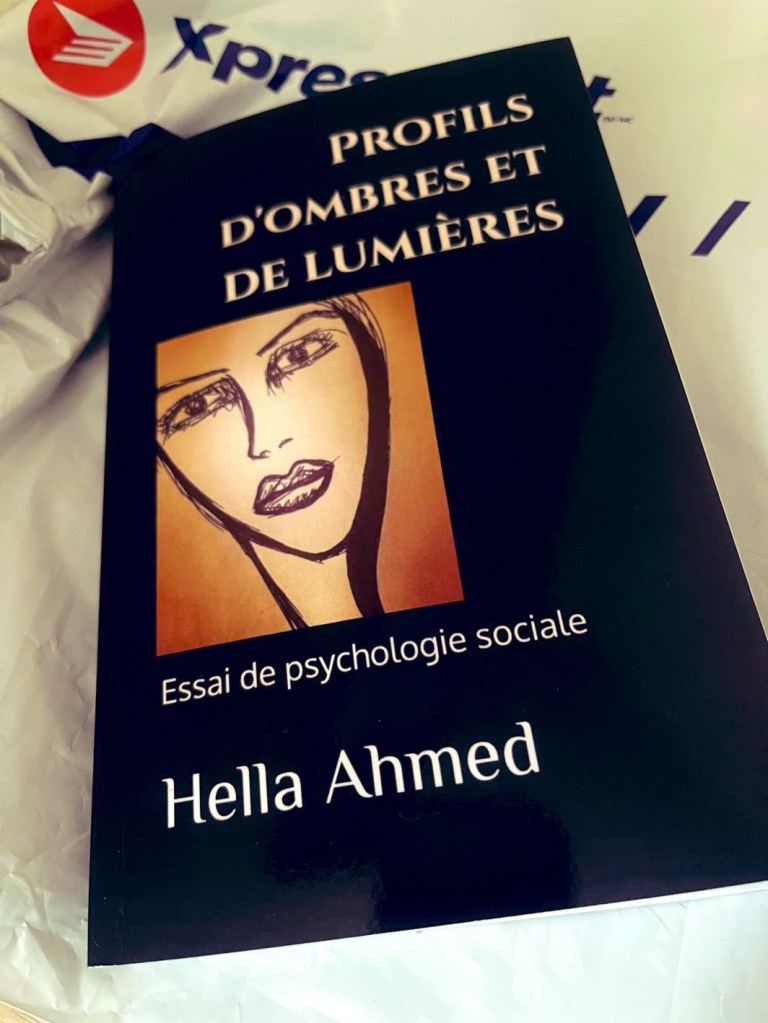
Hella Ahmed © All rights reserved – Find my books on Amazon


 Santé Mentalité inc.