
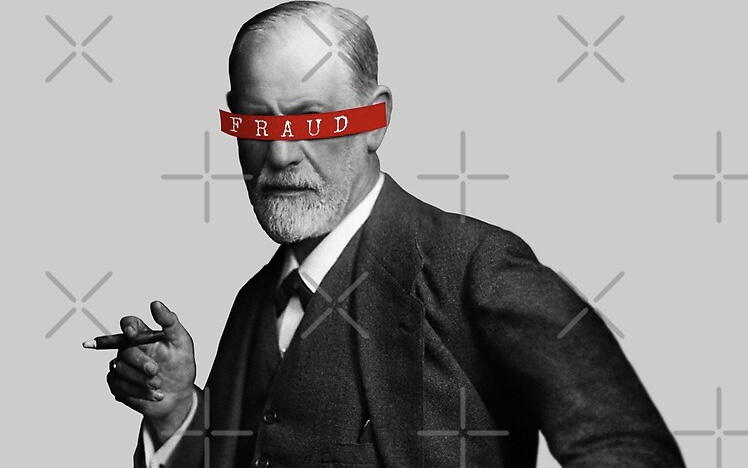

Dogma and Dollars: Psychoanalysis on Conquered Ground
Psychoanalysis, when it swoops in as a cure-all for a struggling mental health system, often feels like a step backward. This happens when mental health services, strapped for cash, can’t keep up with demand. Some organizations, whether openly or sneakily pushing psychoanalytic approaches, cozy up to institutions or even snag public funding, indirectly roping in taxpayers—regular folks who didn’t get a say, let alone an informed one.
Thanks for reading Hella’s Substack! Subscribe for free to receive new posts and support my work.
Long-Term Fallout
Certain groups, with slick PR campaigns, aim to dominate the mental health market, locking up access to potential clients. This tactic can steer people away from other solid options, like cognitive-behavioral therapy or humanistic approaches, which often deliver clear, measurable results tailored to actual needs.
Regulation sets some boundaries, but therapy, in all its variety, thrives beyond the rigid grip of psychoanalysis. Its die-hard fans keep fighting for control, as if it’s more about ego than reality, sidelining truth for a showy display of limiting beliefs that prop them up as authorities instead of helpers.
The real impact of these practices won’t fully hit until years down the line. Much like youth centers that prioritize control over quality of life, psychoanalysis—in my view and that of others—leans on an anxiety-driven, defeatist approach that banks on alienation and mental overload. It doesn’t foster real support. Forcing people into compliance or outdated methods doesn’t equip them to face reality or build tools to avoid being manipulated, exploited, or weakened by their vulnerabilities. Endless chatter doesn’t heal, and waxing poetic about love is a flimsy patch to hide the drain of it all.
Projections and Reruns: The Warn-Out Playbook of Psychs
It’s exhausting, isn’t it? The Freud obsession and psychoanalysis—without painting everyone with the same brush—always seem to play the same worn-out cards:
– I’m not perfect, but step into my office and witness my psychic prowess, ready to heal your soul with my intuitive, superior art, a privilege exclusive to our unmatched psych caste.
– Repetition is our bread and butter: people repeat, and we repeat that they repeat.
– Everything’s about your projections, and I’ll spend my time mirroring them, picking them apart endlessly.
– We’re entitled to rule in people and intellectuals because we’re the real psychs (even if we muddle everything, psychoanalyzing clients who just want practical therapy, not a pointless wander to stroke our egos or worship some authority figure obsessed with their own “me, me, me”).
– If you don’t see us as extraordinary and superior, as we truly are, that’s just your projections and blockages (those famous repetitions) talking.
– We’re allowed to fixate unhealthy on bright minds who don’t buy into our art’s superiority. We have to set them straight (truth is, without this obsessive need to control them, we’d have nothing special to say, since it all boils down to the same old stories of projections, repetitions, and the supposed psychic superiority of the psychoanalyst or psych-inspired practitioner that people don’t validate as being the best there is in the field—maybe not even out of bad faith—because of their traumatic projections and repetitions. We can save them).
From Freud’s Mirror to Liberated Mental Health
In the end, these “flat cards” reveal a warn-out game. Psychoanalysis keeps posing as an oracle, convinced of its grandeur while lost souls wander its maze of mirrors. Every reflection points back to the ego of the psychoanalyst or like-minded practitioner, endlessly chanting about projections and repetitions. But the real challenge for mental health today lies elsewhere: far from dogma and power struggles, it’s about listening, innovating, and offering approaches truly tailored to people’s needs, with empathy and humility.
Hella Ahmed 2025 © All rights reserved – Find my books on Amazon







 Santé Mentalité inc.