


Broadening one’s horizon: toward a compassionate understanding of emotions
(By Hella Ahmed) Recently, I came across a stigmatizing column that labeled women diagnosed with borderline personality disorder (BPD) as “skinless.” This piece infantilized women seeking psychological support, referring to them as “girls without skin” rather than acknowledging them as adults. Its title, seemingly borrowed from a novel, implicitly devalued women dealing with “emotional distress” and underlying relational conflicts.
The central argument seemed to suggest they lacked a fundamental sense of self, but that a “radical love” in a therapeutic relationship could merge with them to fill this void, offering a missing piece of self, like a skin graft applied in small strokes over a century of repetition. In reality, the challenges tied to emotional regulation, though significant, don’t render individuals incomplete or incapable of independently making winning choices in a nourishing process of personal growth.
Understanding better
It’s counterproductive to claim that people with mental health struggles or emotional pain lack a sense of self or discernment. Saying they navigate life “skinless” implies they’re abnormal, unfit to exist autonomously, and need constant guidance to face an ungraspable or unmanageable world. This narrative paints some women as inherently dysfunctional. Such a portrayal undermines the empowerment they need. It’s insulting to dehumanize them by symbolically stripping away their skin when each person has their own, unique and whole.
Historically, misdiagnoses have been common, with post-traumatic stress disorder (PTSD) or complex trauma often mistaken for BPD. This exposed many women to questionable treatments within archaic systems that stigmatized them as mentally deficient and bearers of a shameful condition. In the past, training in psychology and psychiatry, rooted in the convoluted world of psychoanalysis, almost taught that people with BPD were perpetually immature and irresponsible. Students and professionals indulged in speculative interpretations of women’s psychological ties to the world, sometimes with a condescending smirk exchanged between colleagues.
The truth knocks
Healing begins when individuals understand and internalize, through distinct but interconnected phases, that they alone are responsible for their own salvation, but seeking help when needed is a gateway to greater autonomy. Others’ responses to their internal and external struggles aren’t obligations but acts of love requiring mutual care. No one can demand their emotions always take precedence over others’, as everyone faces their own challenges. True connection arises from meeting halfway, forging bonds grounded in mutual understanding and solidarity.
Labels like borderline personality disorder, narcissistic personality disorder, or the outdated histrionic personality disorder—once reserved for women deemed too attention-seeking or overly emotionally expressive due to unconscious conflicts—are, like it or not, potentially stigmatizing. Yet, our systems rely on categorization, and a BPD diagnosis can unlock meaningful support: professional guidance, workplace accommodations, and a framework for self-understanding. The challenge lies in balancing the benefits of diagnosis with the harm of stigma, which we must work to eliminate.
The dynamics of BPD in relationships
Detachment, for both parties in a romantic or close relationship, can be healthy. Take a new relationship where one partner is invasive, the other’s detachment signals self-respect. Also, if a well-meaning person realizes their partner’s emotional stability hinges entirely on a constant need for reassurance, that responsibility may point to emotional manipulation—a red flag not to ignore.
Some people can calmly deal with a loved one’s emotional volatility, adequately managing intense needs for validation and immediate responses to ease anxiety. They can support someone grappling with emotional trauma or deficits, who lacks healthy coping mechanisms or adaptive responses to daily challenges. However, no one is obligated to play the savior in romantic relationships, nor can anyone demand a partner fully shoulder their psychological struggles. This doesn’t mean people for whom emotional regulation is a major challenge can’t find love; it’s simply problematic to demand care through emotional abuse. This is where therapy or coaching becomes invaluable.
The role of therapy and coaching
Supporting someone who feels the world is collapsing with every perceived abandonment or whose anxiety often escalates to suicidal thoughts to escape overwhelming pain is very demanding, especially for those who aren’t therapists fully equipped to maintain balanced interactions that foster heathy boundaries and personal growth. The constant need for reassurance, validation, and promises of eternal love can be exhausting or destabilizing. While these desires are universal, the intensity of crises and drama in BPD can seem disproportionate. Total devotion in love isn’t a reality; no one should fully submit to another’s emotional needs, and peace cannot coexist with emotional coercion.
Anxiety is a tension, both physical and mental that can be managed. Therapy teaches individuals they are whole on their own and that the world can meet them with detachment—a cue to cultivate their own. Embracing one’s worth, asserting inalienable rights, and accepting the truth that we are born and die alone empowers individuals to engage with life authentically, feeling whole in the universe that makes us one. We all have a “skin,” and we are all complete. Respectful therapies, led by compassionate practitioners, don’t resort to stigmatizing metaphors like “skinless”; they promote self-respect, boundaries and resilience.
The miracle of serene love
Some romantic partners, with tact, intuition, and the priceless ability to support calmly—through developed emotional intelligence and selfless giving without painful sacrifice or making the other feel indebted—can soothe their partner’s wounds. They transform the relational dynamic for the better, leaving a lasting positive impact on their current partner’s personality, whether the relationship is meant to last or not.
Originalité et intelligence, notre marque est la compétence!
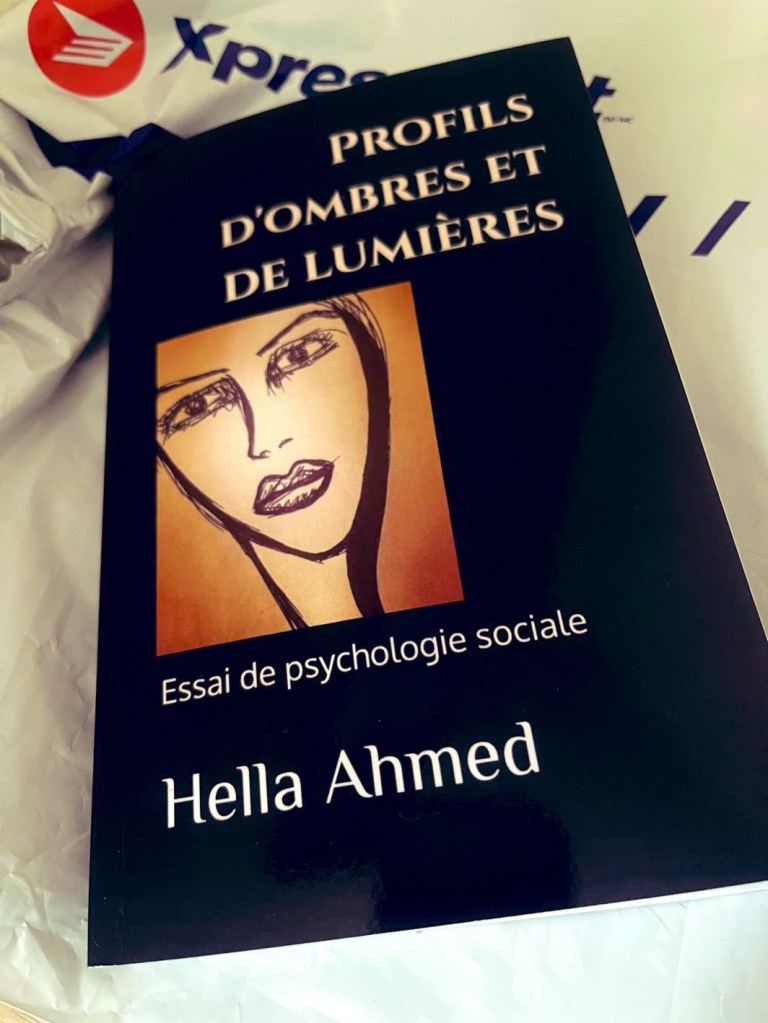
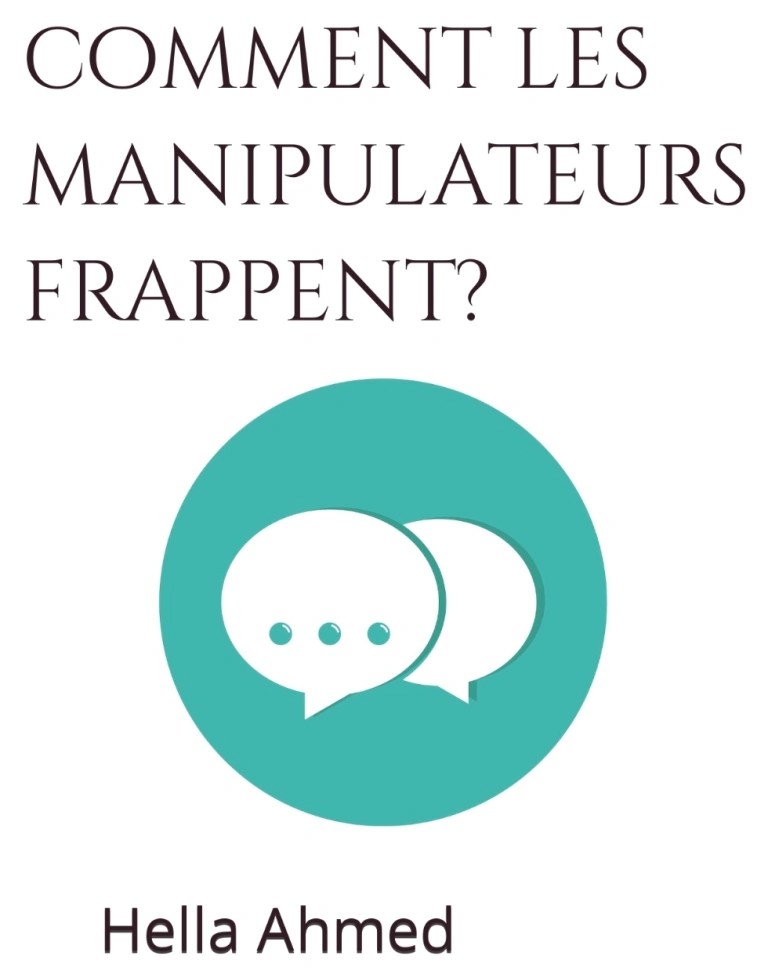
Hella Ahmed 2025 © All rights reserved – Find my books on Amazon



 Santé Mentalité inc.