How insomnia quietly exhausts us, and why CBT-I can truly transform the way we feel
(By Hella Ahmed) Do you ever wake up feeling utterly exhausted, as though you had spent the night battling turbulent emotions rather than resting? Or, on better mornings, do you rise with a quiet sense of happiness, genuine energy, and a positive frame of mind that seems to illuminate the day ahead?
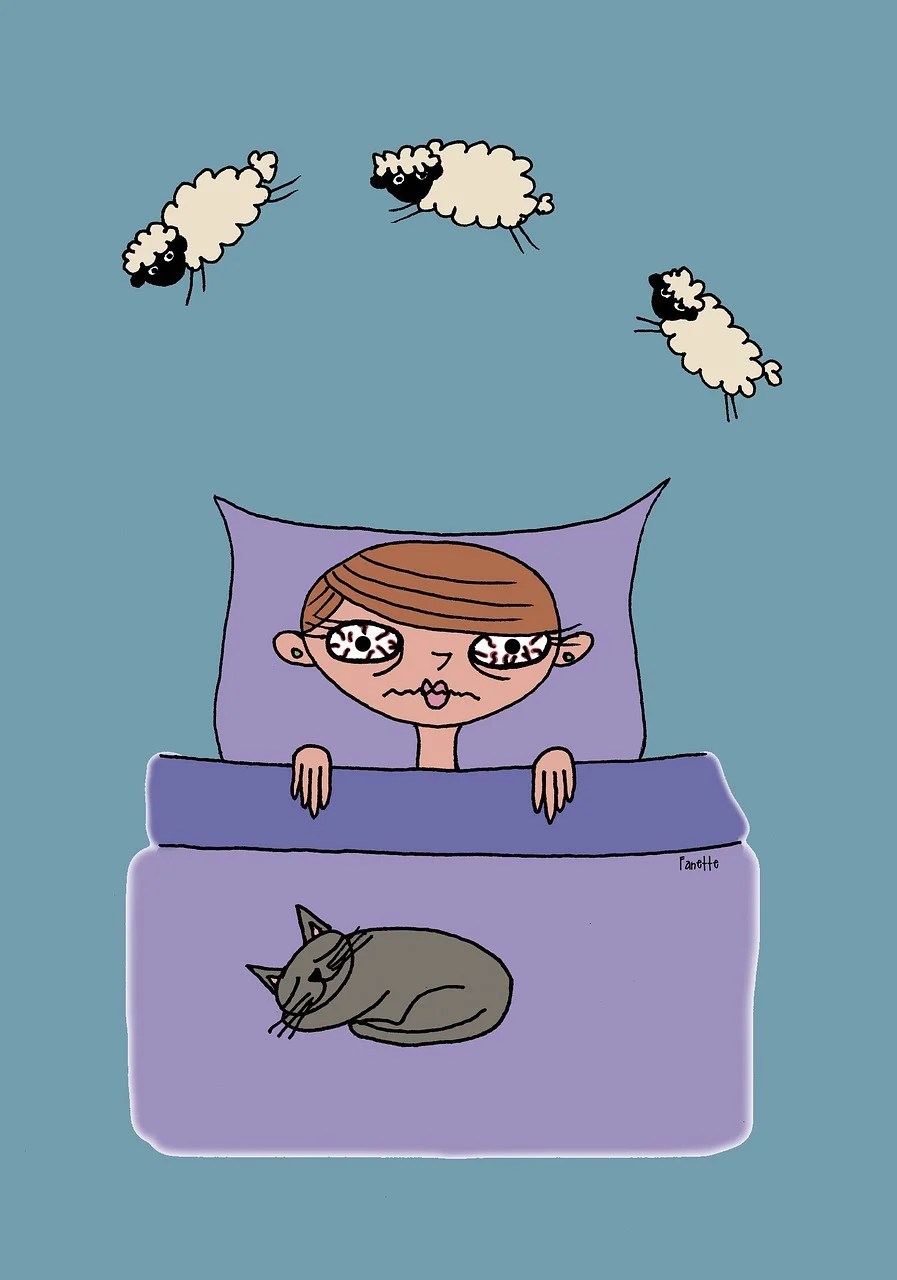
Many people know the other side all too well: lying awake for hours, mind racing, counting sheep that only heighten the chaos as a painful, wired wakefulness takes hold. These stretches of insomnia can leave you drained, irritable, and sometimes sliding toward a heavier, almost depressive fog in which everything feels more difficult. When sleep is consistently poor or disrupted by insomnia, it raises the risk of anxiety, depression, and mood disorders. But let’s dive into the many benefits of good sleep?
The connection between neurosciences and mental health
Improving sleep does far more than reduce daytime fatigue. It plays an active role in brain repair and emotional balance. During deep sleep, the brain’s glymphatic system works like a nightly cleaning crew, clearing out toxins and metabolic waste. Sleep is also essential for consolidating memories and regulating emotions. Sleep deprivation, on the other hand, tends to amplify negative moods, anxiety, irritability, and in some cases, more severe thoughts.
Regular quality sleep — ideally 7 to 9 hours per night with stable schedules — improves cognitive functions, stabilizes mood and strengthens our resilience in the face of life’s uncertainties.
The scientific evidence is clear. A major 2021 meta-analysis published in Sleep Medicine Reviews(Scott et al.) found that improving sleep quality leads to significant reductions in symptoms of depression, anxiety, and stress.Importantly, the research highlights that maintaining a regular sleep schedule often matters even more than total sleep duration alone.
CBT-I : An effective, medication-free solution
One of the most powerful interventions available is Cognitive Behavioral Therapy for Insomnia (CBT-I). Recommended as a first-line treatment by Harvard Medical School, the Mayo Clinic, and numerous international health authorities, CBT-I directly addresses the thoughts, behaviors, and habits that perpetuate insomnia. It includes techniques such as stimulus control (using the bed only for sleep), sleep restriction, and cognitive restructuring to reduce nighttime rumination.
Studies show CBT-I is often more effective in the long term than medication, with success rates of 70 to 80 percent for meaningful improvement. Many people notice substantial changes within a few weeks, and the benefits tend to endure. The approach is flexible: it can be delivered in therapy, through structured apps, in group settings, or via coaching, and its core principles integrate naturally with broader personal development and habit-change work.
A global public health perspective
Insufficient sleep — fewer than seven hours a night or persistently poor quality — is strongly linked to declining mental health worldwide. Meta-analyses show that short sleep duration increases the likelihood of mental health disorders by roughly 1.4 to 1.7 times (Zhang et al., 2024). Large-scale international research involving more than 200,000 adults across 213 countries and territories has shown that quality sleep and regular physical activity each protect mental health independently, with even greater benefits when the two are combined (Brown et al., 2024).
Sleep and mental health share a close, bidirectional relationship. Poor sleep significantly increases the risk of mental health disorders, while anxiety, depression, or emotional difficulties in turn disrupt sleep — creating a vicious cycle that can be hard to break. Fortunately, improving your sleep remains one of the most powerful and accessible levers for strengthening mental well-being. By prioritizing the quality of your nightly rest, many people experience a more stable mood, better emotional regulation, and renewed resilience — often long before other aspects of their mental health begin to improve
It’s worth taking seriously
Poor sleep rarely stays contained; it gradually erodes mood, energy, relationships, and long-term health. The encouraging news is that change is possible. Simple but consistent steps — removing screens from the bedroom, turning off late-night podcasts and radio, establishing a calming pre-sleep ritual, moving your body during the day with activities like weight lifting or any sport you genuinely enjoy, spending time in nature and going for walks, and prioritizing real human connection — can break the pattern before it deepens.
Your future self, calmer, sharper, more resilient, and more fully alive, will be grateful you did..
Références principales :
• APA and general sleep-mental health resources: apa.
• Zhang et al. (2024) – Meta-analysis on short sleep and risk of mental disorders (RR 1.42 / OR 1.67): PMC Article
• Brown et al. (2024) – Mental Health Million Project (Global Mind Project): PDF via UTSA Lab
• Scott et al. (2021) sur l’amélioration du sommeil et la santé mentale : PMC Article
• New York Times sur la TCC-I (2023) nytimes.com article
• Étude mondiale sommeil + activité physique : PDF via UTSA Lab
• Ressources Harvard & Mayo Clinic sur la TCC-I : sleep.hms.harvard.ed
Originalité et intelligence, notre marque est la compétence!
Hella Ahmed 2026 © All rights reserved – Find my books on Amazon